
Dental handpiece reference
Understand your handpiece before you spend money on it.
An independent, vendor-neutral reference for dentists, hygienists, dental labs and technicians. Learn how handpieces work, identify your model and coupling, keep them alive through autoclave cycles, and know when a repair makes more sense than a replacement.
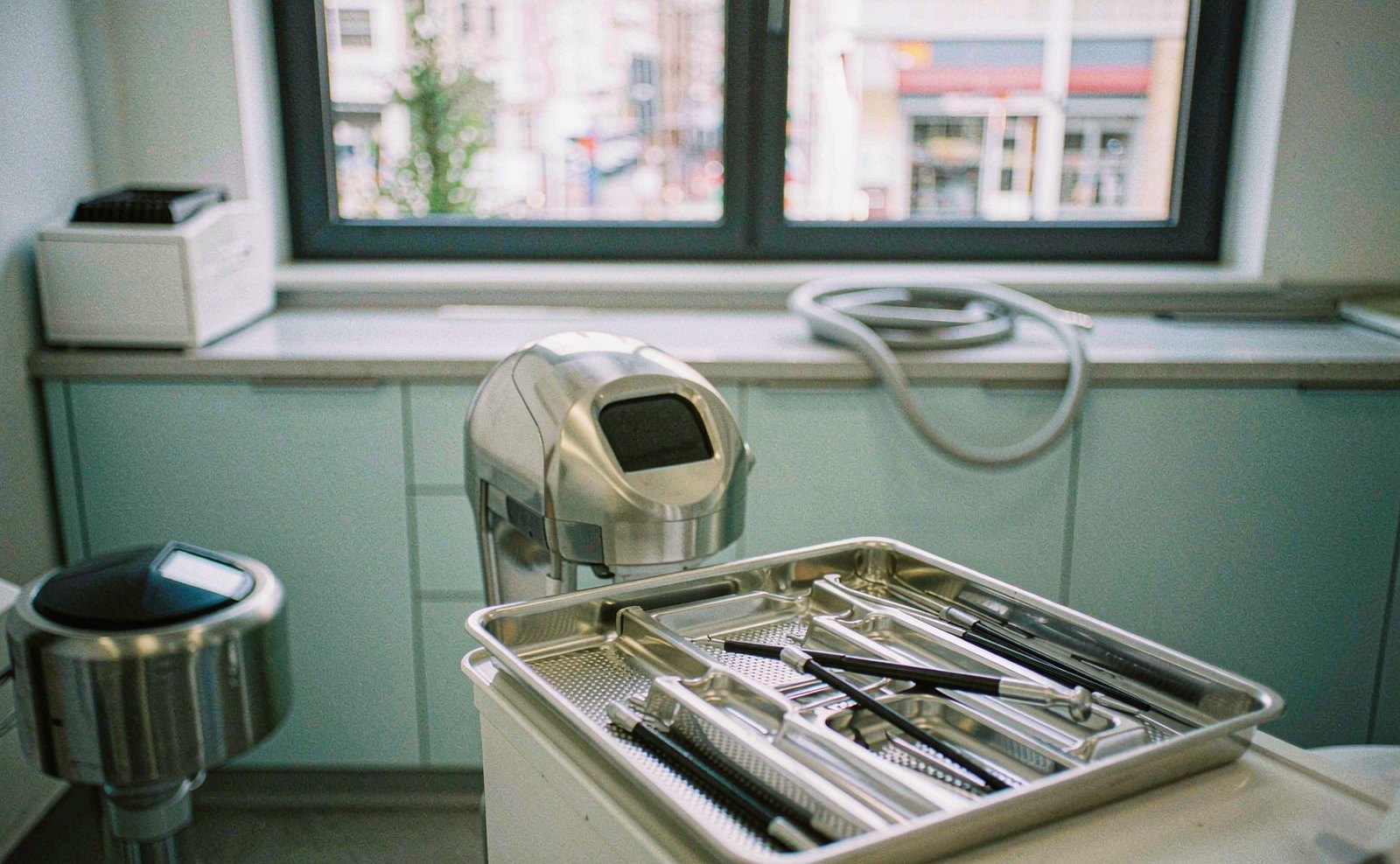
Typical figures — always defer to your IFU
Industry news
What moved in the handpiece world this month — new approvals, catalogue changes and the business behind repairs. One original roundup per month, from primary sources.
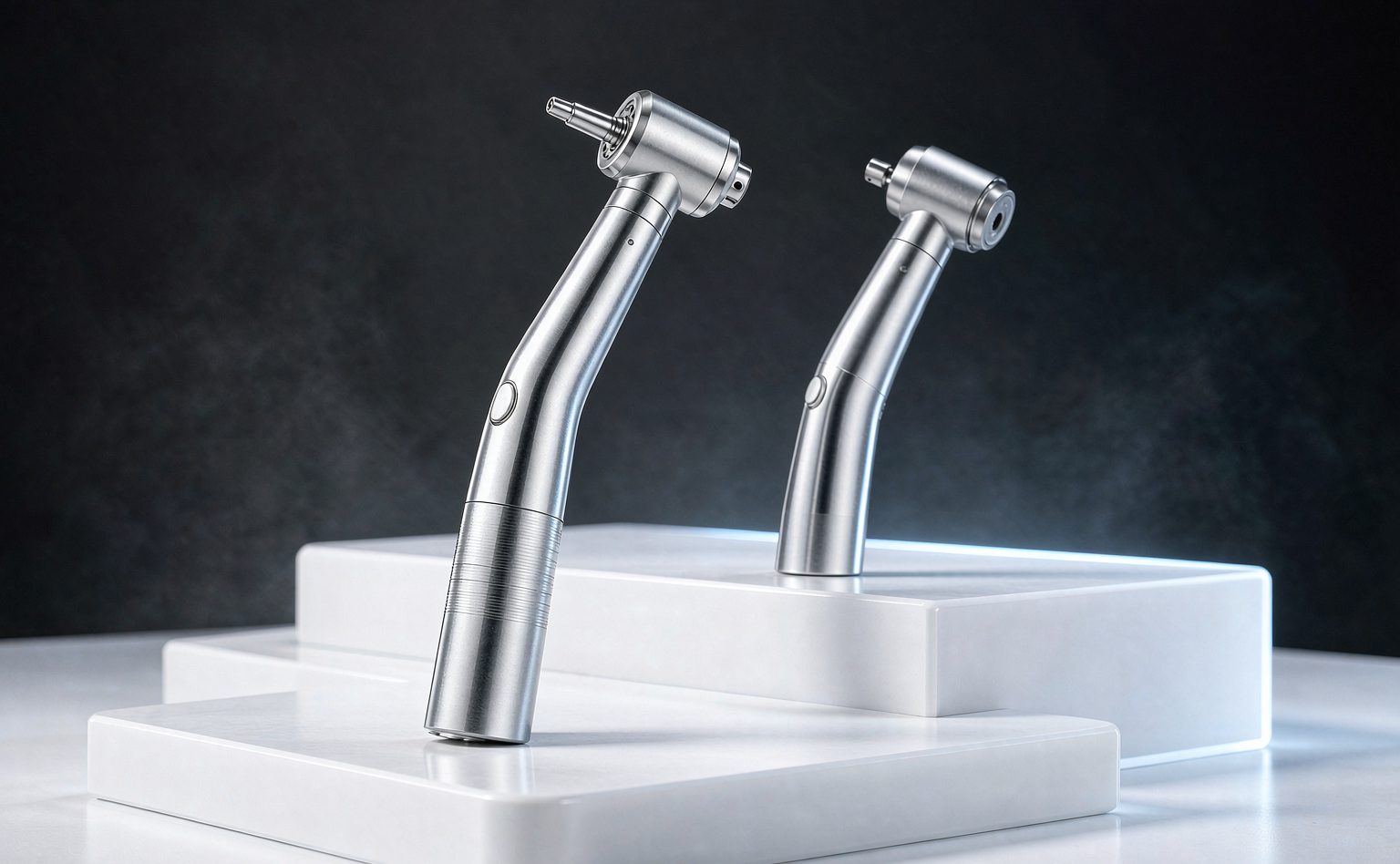
Latest · November 2026, Issue 2
Handpiece industry roundup: November 2026
W&H upgrades the Synea Fusion in place; the wattage race widens across brands; NSK leans on a 3-year warranty at the top of its electric range; and the LubeFree lubrication trap repair services keep seeing.
Read the November roundup →

Monthly
The news archive
Every issue in one place, with the rules we hold ourselves to: primary sources only, rewritten never copied, no speculation and no medical claims.
Browse all issues →
Compare and get answers
Side-by-side decisions and quick answers, both built from published manufacturer data.

New section
Head-to-head comparisons
Air vs electric ownership cost, flagship turbine specifications and prophy routes — desk research with the method stated openly.
Open Compare →

Quick answers
Frequently asked questions
Twelve short answers on identification, sterilization, repair decisions and buying — each linked to the full explanation.
Browse the FAQ →
The words on the spec sheet, decoded
Short definitions that explain what a term measures — and where it stops being useful.

New section
Glossary of handpiece terms
CFPM, stall torque, run-out, MULTIflex, Bowie-Dick and IFU — four topic groups, each defined in plain language.
Open the glossary →
Browse by topic
- Air turbine terms — speed, airflow, torque and bearings
- Electric and motor terms — micromotors, ratios and light
- Coupling terms — patterns, O-rings and compatibility
- Sterilization and care terms — cycles, indicators and IFU
Every definition points back to the full explanation. Definitions are orientation; the IFU for your exact model is the authority.
Three ways in
Pick the path that matches what you actually need right now.

Learn
How handpieces work
Anatomy of a turbine, the difference between air and electric, sterilization rules, lubrication and a maintenance schedule that survives a real clinic week.
Open the knowledge base →
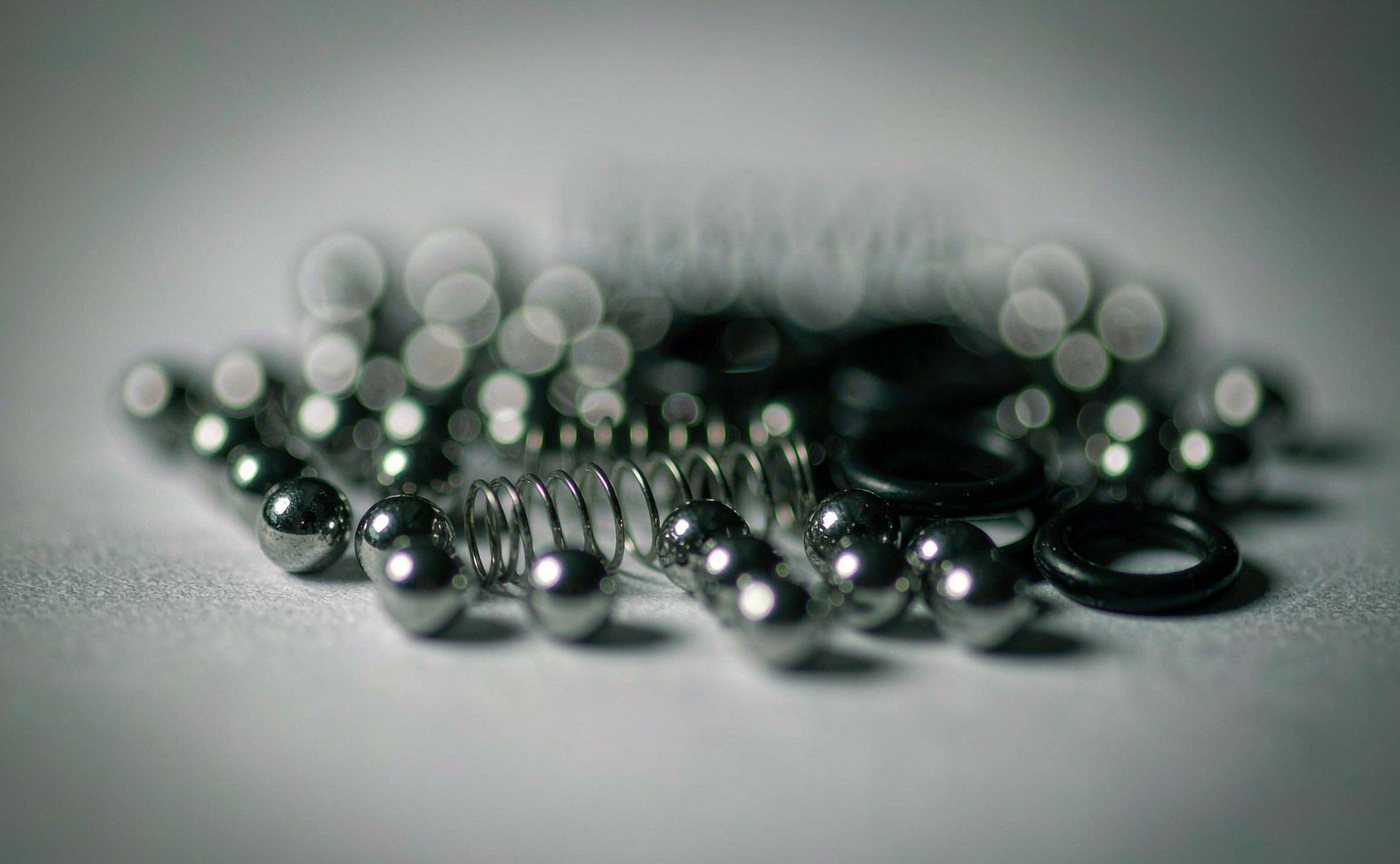
Identify
Models, brands and couplings
A filterable library of common handpiece families with coupling standard, bur type and notes on what usually wears out first.
Open the model library →
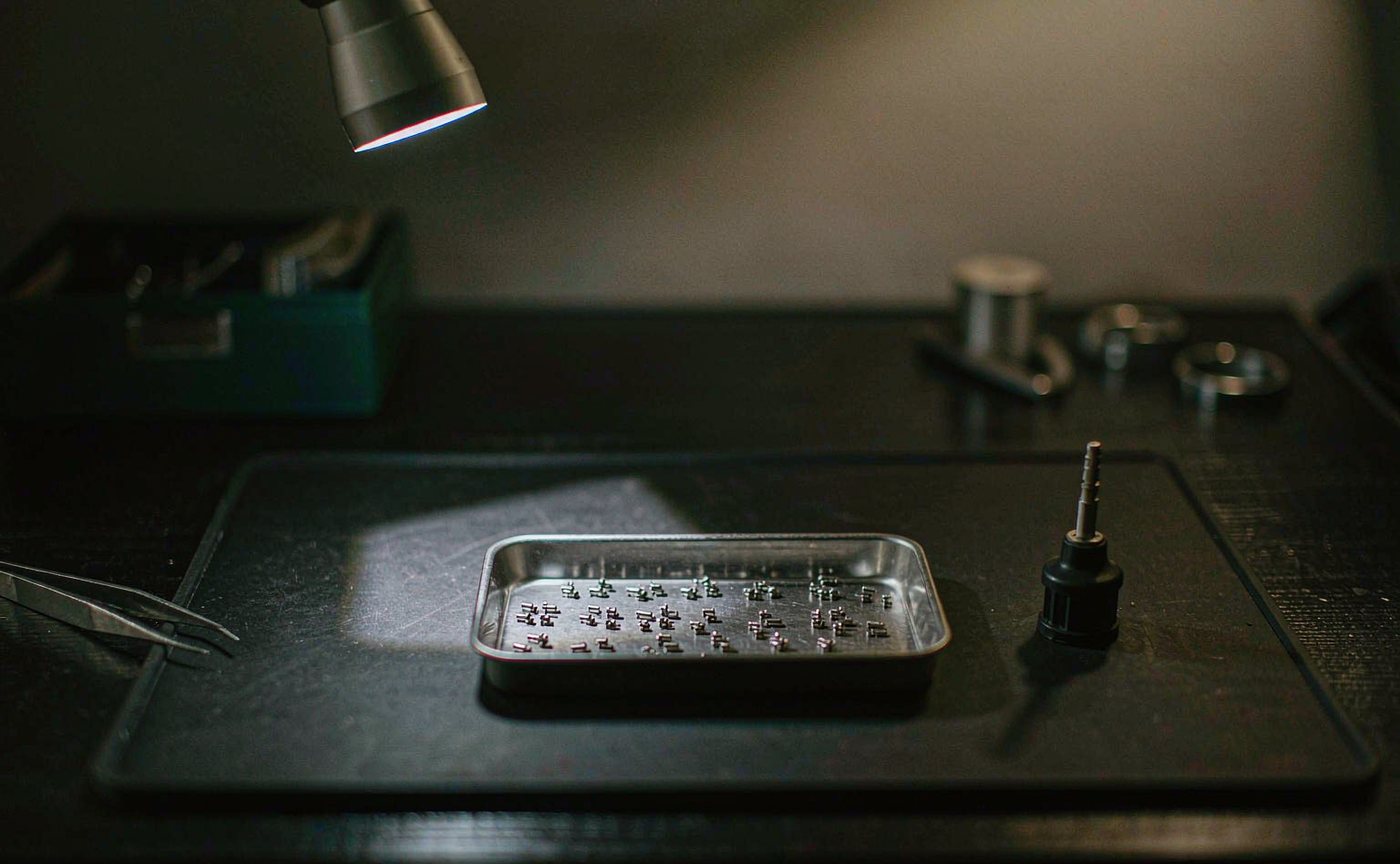
Fix
Troubleshoot and get help
Symptom-based fault finding for noise, vibration, power loss, water leaks and chuck failures — plus a ready-made message to describe your case.
Open repair help →
Start here: what a handpiece actually is
Two minutes of theory saves a lot of money later.
The handpiece is the instrument that holds the bur and spins it. Everything else about it is a compromise between torque, speed, weight, noise and how hard it is to keep sterile.
There are really only three families you need to separate in your head:
- Air turbine — high speed, driven by compressed air, bearings spin the bur directly.
- Low-speed air motor — drives attachments such as contra-angles and straight handpieces through a motor, not a turbine.
- Electric — a micromotor drives the attachment, giving more consistent torque and generally lower noise.
Once you know which family a handpiece belongs to, most parts, lubricants and failure modes become predictable. Read the full anatomy guide →
The loop that decides how long it lasts
- Clean. Remove debris and cement before anything is sterilized. Residual material is what cooks onto bearings.
- Lubricate. The correct lubricant for your drive type, at the interval the manufacturer specifies.
- Sterilize. Heat sterilization between patients, per local infection-control requirements.
- Purge and check. Air and water lines run before use; listen for changes in tone.
Guides people actually need
Written for the questions that come up in a busy clinic or lab.
Fundamentals
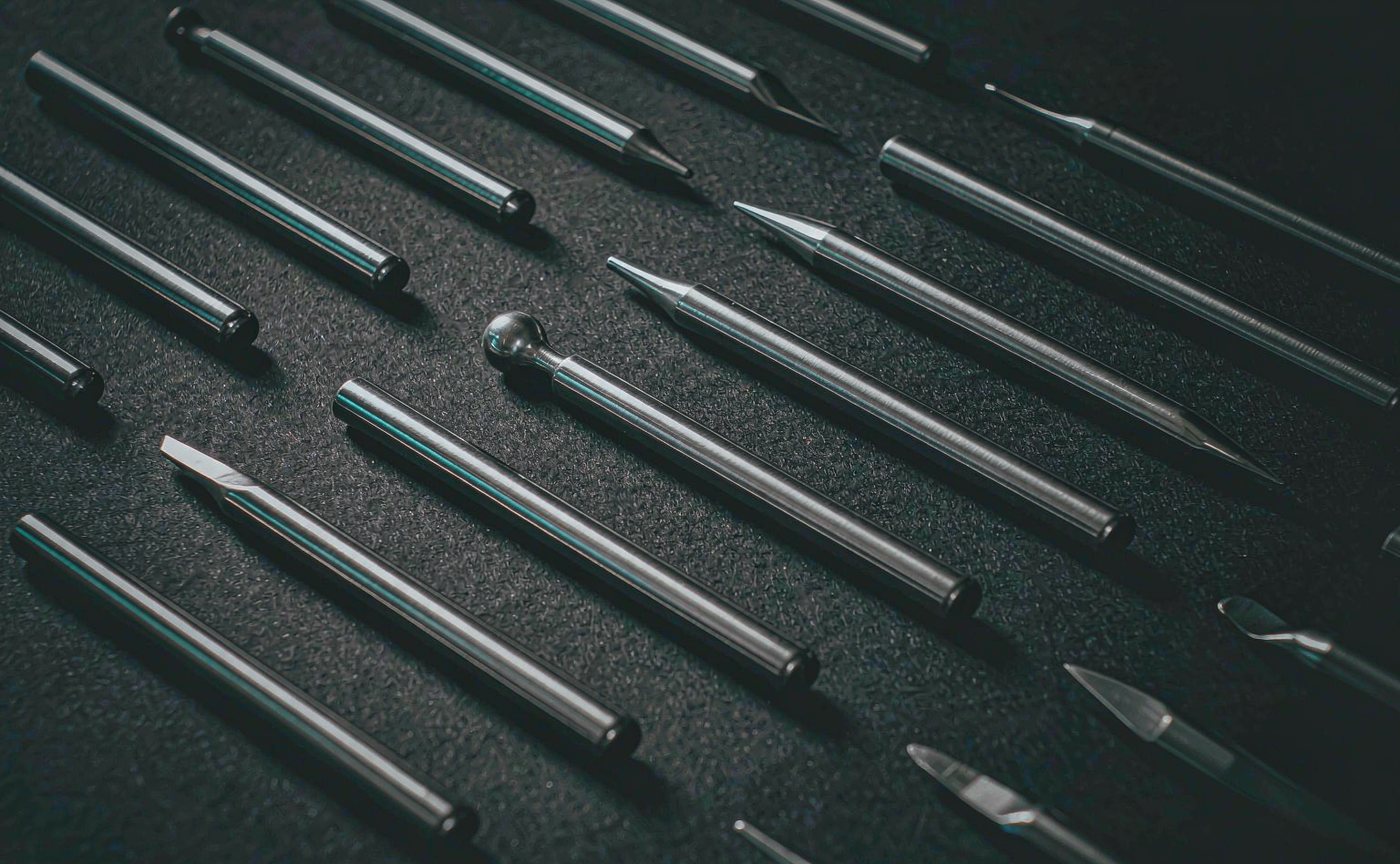
Anatomy of a dental handpiece
Head, neck, turbine, chuck, coupling — what each part does and which ones can be replaced.
Fundamentals
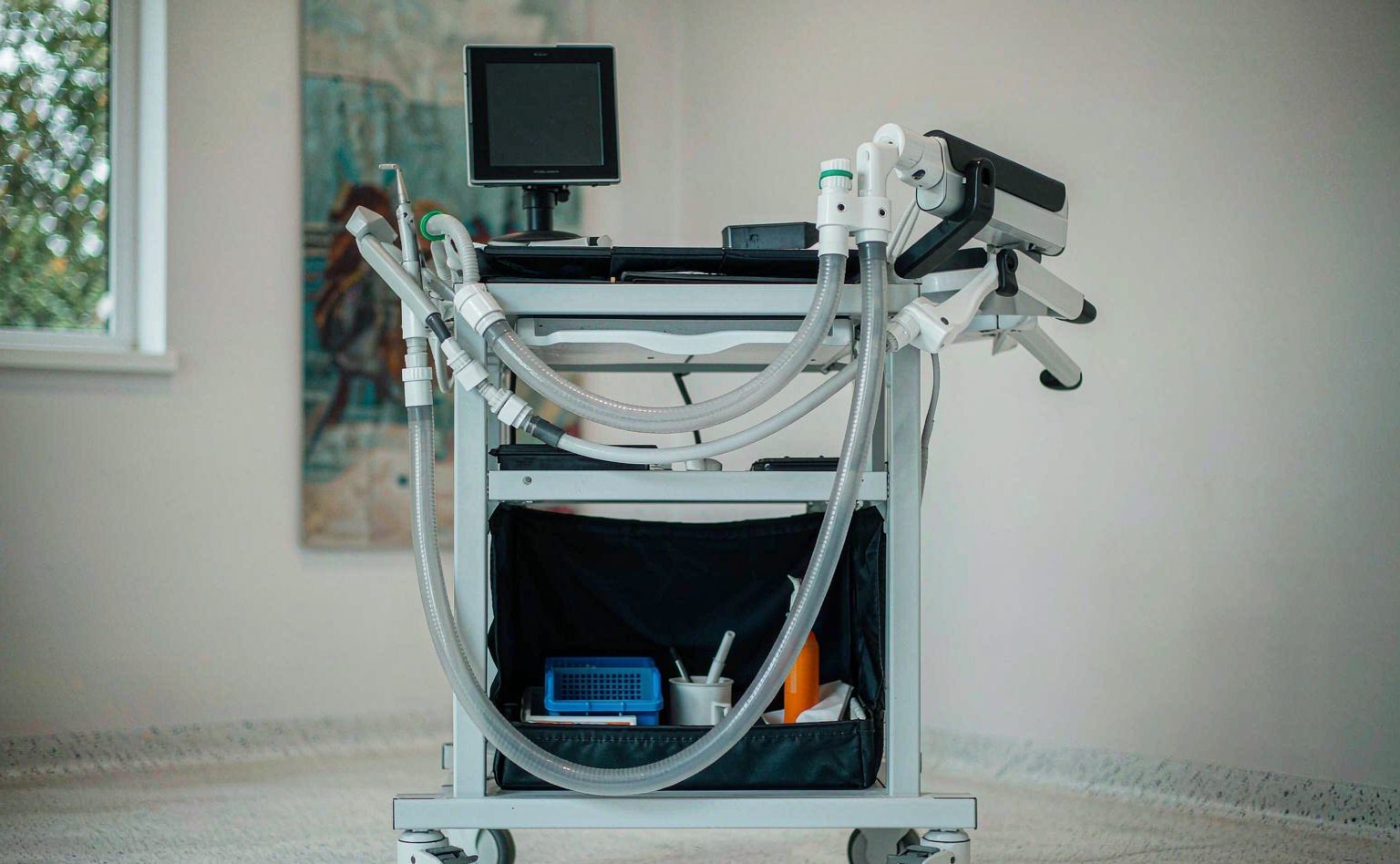
Couplings explained
Midwest, Borden, MULTIflex, Roto Quick, Unifix, ISO-C and E-type — what fits what, and how to tell them apart.
Upkeep
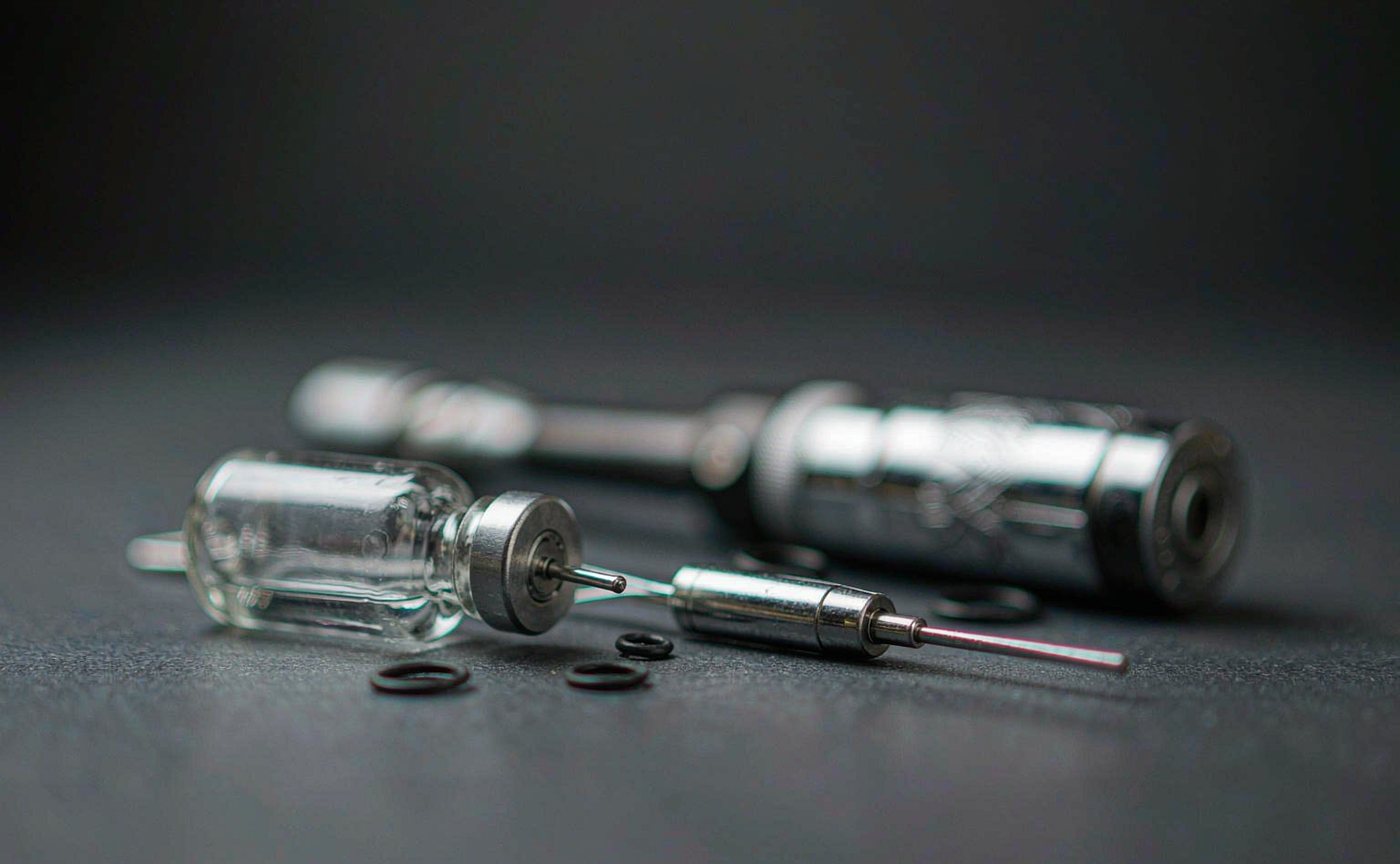
Maintenance and lubrication
What to do daily, weekly and after every cycle, plus the symptoms that mean "stop and fix".

Decisions
Repair or replace?
The three failure zones, the arithmetic to run on a repair quote, and when replacement is the only answer.
Common symptoms, likely causes
A quick orientation before you browse the fuller fault-finder.
| Symptom | Check first | Then suspect |
|---|---|---|
| Whining or grinding noise | Drive air pressure | Turbine bearings reaching end of life |
| Bur wobble or run-out | Bur is fully seated and undamaged | Worn chuck or contaminated chuck mechanism |
| Overheating while cutting | Water spray present and aimed correctly | Bearing wear, blocked spray ports, wrong lubricant |
| Water leaking at the coupling | O-rings in the coupling | Coupling body or tubing connector damage |
| Gradual loss of cutting power | Pressure at the unit, hose kinks | Worn turbine cartridge, worn bur |
Dental handpieces are medical devices. Specifications, sterilization parameters, lubricants and spare parts differ between models and generations, and they change. Everything on this site is general orientation, not a substitute for the manufacturer's instructions for use (IFU). Always confirm part compatibility against the IFU for your exact model before ordering or installing anything.
Where this site is going
The model library is being expanded, brand by brand, with verified coupling standards and replacement-part notes. If you work with a model that is missing, or you can correct something here, that is exactly the kind of contribution that makes a reference like this worth using.