
Dental handpiece knowledge base
Written for people who have to keep handpieces running: the theory that explains the failure, and the practical routine that prevents most of it.

Reprocessing
Sterilization monitoring
Mechanical, chemical and biological checks — what each one proves, the Bowie-Dick test and what belongs in the record.
Read →

Performance
CFPM and airflow
Why free-running rpm misleads, how airflow and pressure interact, and why a weak turbine is often a supply problem.
Read →

Buying skills
Reading a spec sheet
Watts, rpm, head size, noise and warranty terms — what each published figure measures, what it leaves out, and how to compare models fairly.
Read →
Specialties
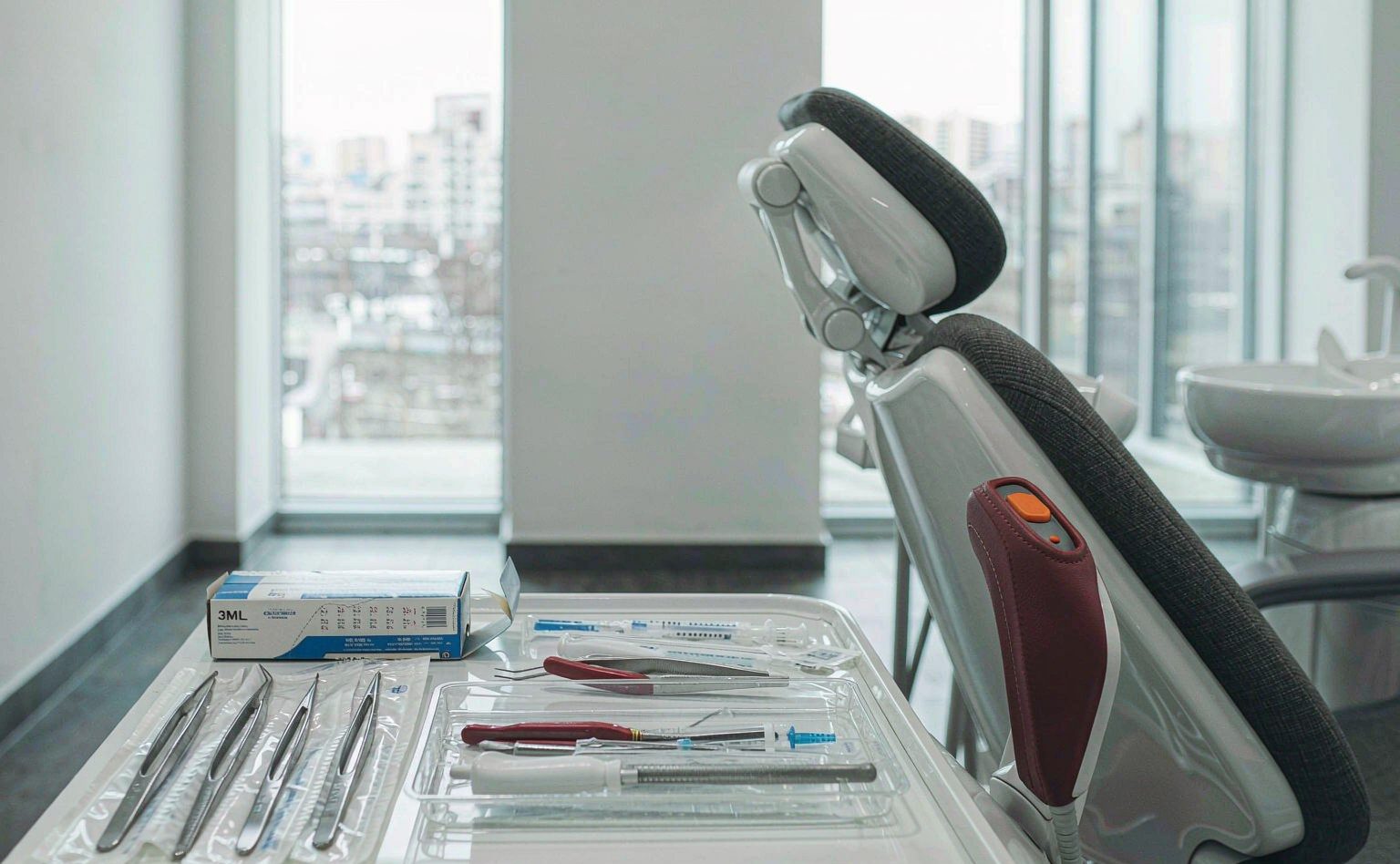
Surgical and implant handpieces
20:1 contra-angles, irrigation delivery, torque control and auto-reverse — what sets surgical systems apart and what fails on them.
Read →
Fundamentals
Bur shanks and chuck standards
FG, RA and HP shanks, ISO numbering, how chucks grip each type, and why most "won't hold the bur" stories start with fit.
Read →

Specialties
Hygiene handpieces and prophy angles
The hygiene room's own wear profile: contra-angles, reusable and disposable angles, electric prophy systems and their service lives.
Read →

Fundamentals
Electric motors and attachments
E-type coupling, brush and brushless designs, attachment ratios — and why most electric faults are compatibility questions.
Read →
Fundamentals
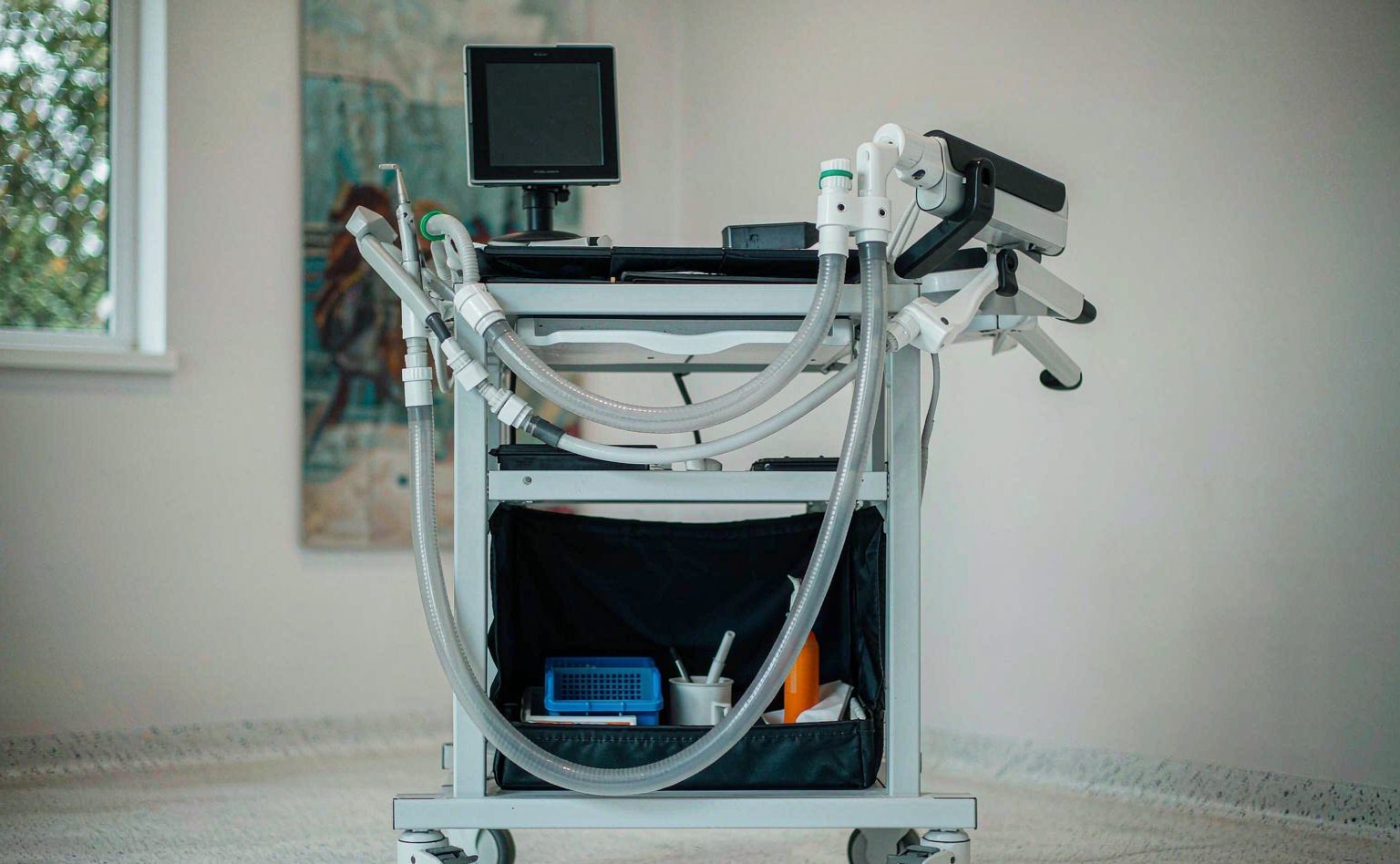
Air pressure and performance
The most overlooked operating variable: how low pressure mimics wear, how high pressure causes it, and how to measure correctly.
Read →

Fundamentals
Water spray and cooling
How the spray is built, why it clogs, and an ordered diagnosis for a weak or missing spray — most causes are upstream.
Read →

Diagnosis
Noise, vibration and runout
The three mechanical sources behind a loud or wobbling handpiece, what runout is, and how to tell them apart without teardown.
Read →
Diagnosis
Handpiece light systems
Fibre optic, self-generating LED and electric attachment lights — and why "no light" has three different causes.
Read →
Fundamentals
Contra-angle ratios explained
1:1, 1:5, 16:1 — what the numbers do to bur speed and torque, and how overspeeding happens.
Read →
Decisions
Repair or replace?
The three failure zones, the arithmetic to run on a quote, and the situations where replacement is the only sensible answer.
Read →
Fundamentals
Cartridges, bearings and seals
What actually wears out inside the head, how each failure announces itself, and which part produces which symptom.
Read →
Fundamentals
Couplings explained
Midwest, Borden, MULTIflex, Roto Quick, Unifix, ISO-C and E-type — what fits what, and how to identify your tubing in ninety seconds.
Read →
Upkeep
Maintenance and lubrication
Daily, weekly and per-cycle habits, the right lubricant for each drive type, and the symptoms that mean stop using it now.
Read →
Infection control
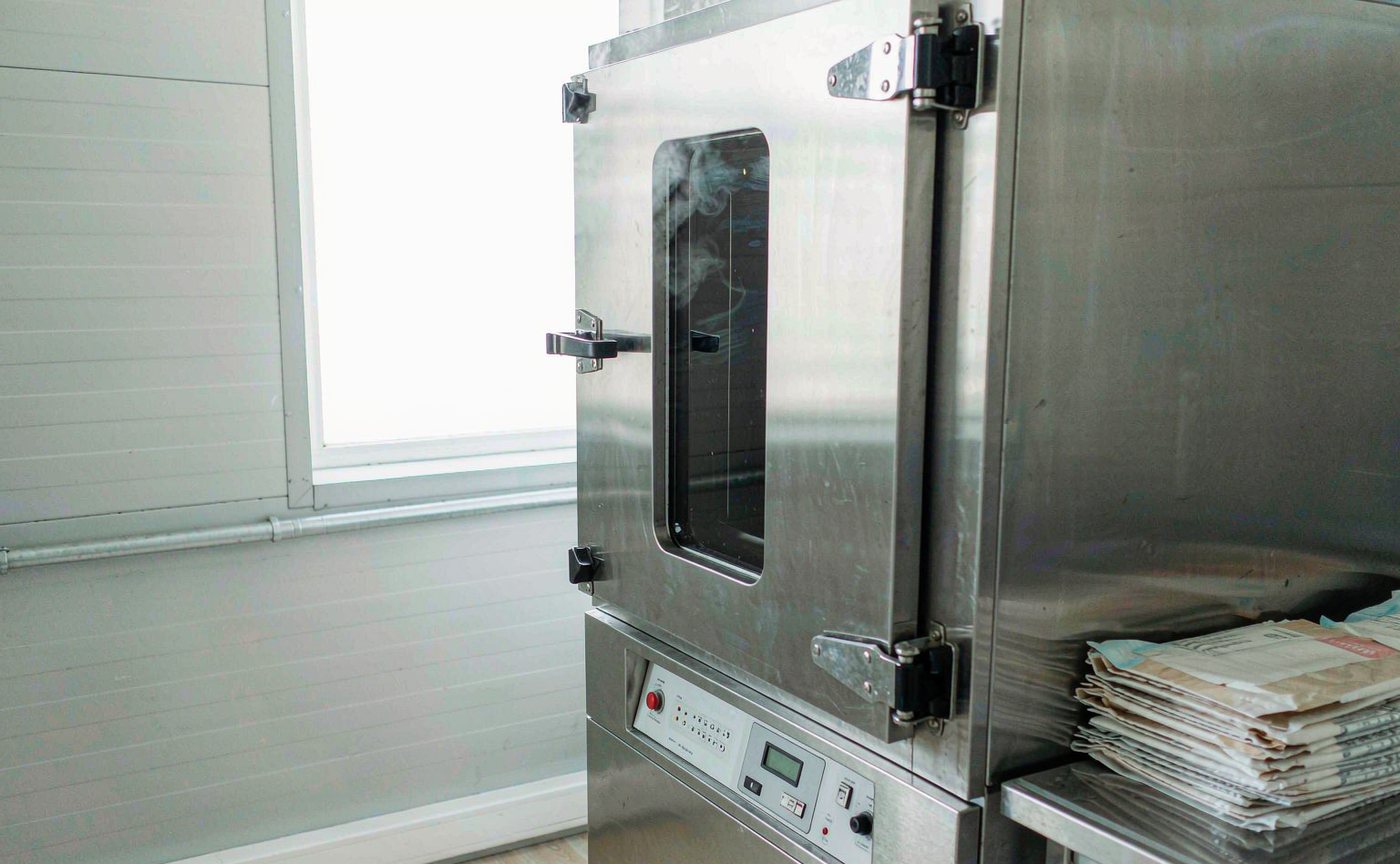
Sterilization and reprocessing
Cycle types and temperatures, drying, pouching, and the small process errors that shorten bearing life more than use does.
Read →
Fundamentals
Anatomy of a dental handpiece
The three families, the parts that make up a handpiece, what is inside the head, and which components you can actually replace.
Read →
Also useful
- Model and brand libraryFilterable entries with coupling standard, bur type and wear notes.
- Replacement part categoriesTurbine cartridges, bearings, O-rings, chucks, LED modules and couplings.
- Symptom-based fault finderWork from what the handpiece is doing to what usually causes it.
- Air turbine or electric?Where each one wins, and what ownership really costs.
We describe what is generally true across handpiece families, and we say so when a figure varies by model. Nothing here replaces the manufacturer's instructions for use. If you spot something that is wrong for your model, tell us and we will correct it.